

Parasites are organisms that live on or inside a host, deriving their nutrients at the host's expense, which can quickly damage their health. Dogs can get a variety of parasites due to their playful nature and close contact with other animals and environments.
0 Comments

Caring for their dog's health is a primary concern for any responsible pet owner. One of the more serious issues that might arise is the rupture of the cranial cruciate ligament (CCL) in a dog's knee. When this occurs, a common corrective measure is tibial plateau leveling osteotomy (TPLO) surgery. 
When it comes to the health and well-being of your canine companions, understanding the importance of addressing injuries with the seriousness they deserve is crucial. Soft tissue injuries in dogs can range from minor sprains to severe conditions requiring surgery. 
Summer brings with it the promise of longer days, outdoor adventures, and basking in the warm sunshine. However, the rising temperatures can present a unique set of challenges for your furry companions. Dogs, much like humans, can suffer from heat-related illnesses, which can range from uncomfortable to life-threatening. 
The decision to spay or neuter a pet can be a landmark moment in the life of an animal and its caretaker. These procedures contribute to controlling the pet population and offer numerous health benefits that can lead to a longer, healthier life for your pet.

Soft tissue injuries in dogs are more than an occasional inconvenience; they are a significant health concern that can greatly affect your dog’s quality of life.
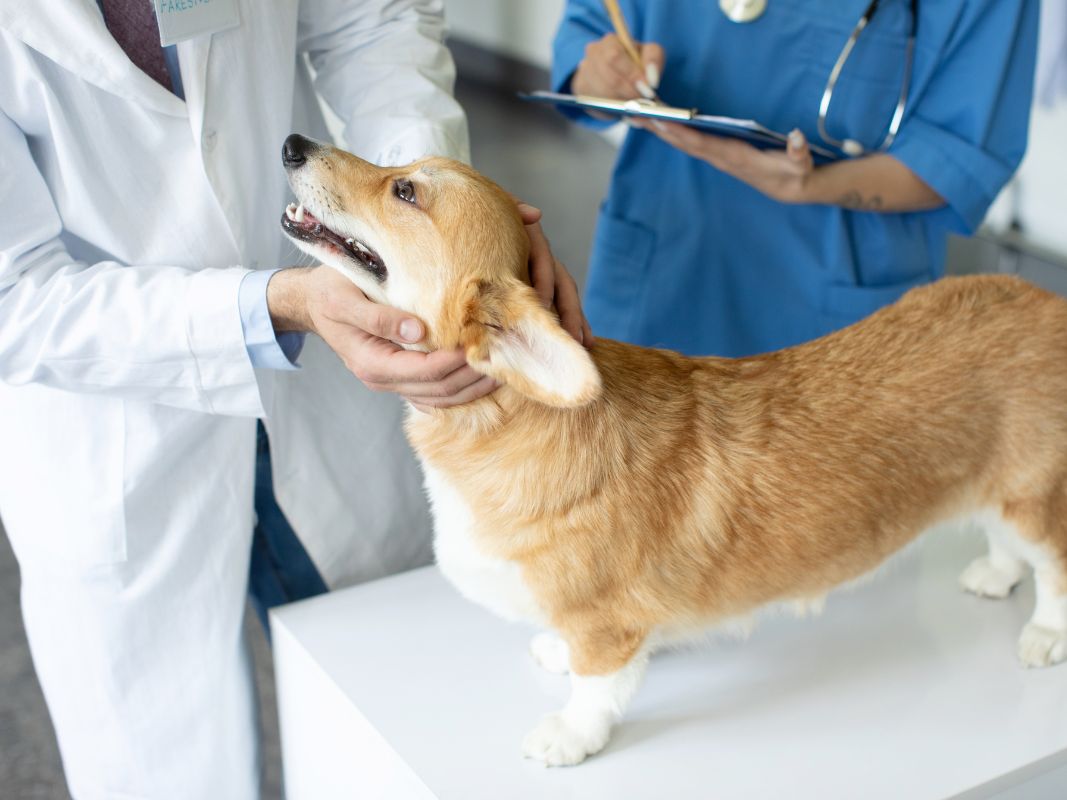
A pet hospital differs from your regular vet clinic. Staff at a pet hospital can handle more serious conditions and emergencies, providing a higher level of care and round-the-clock monitoring for critically ill animals. 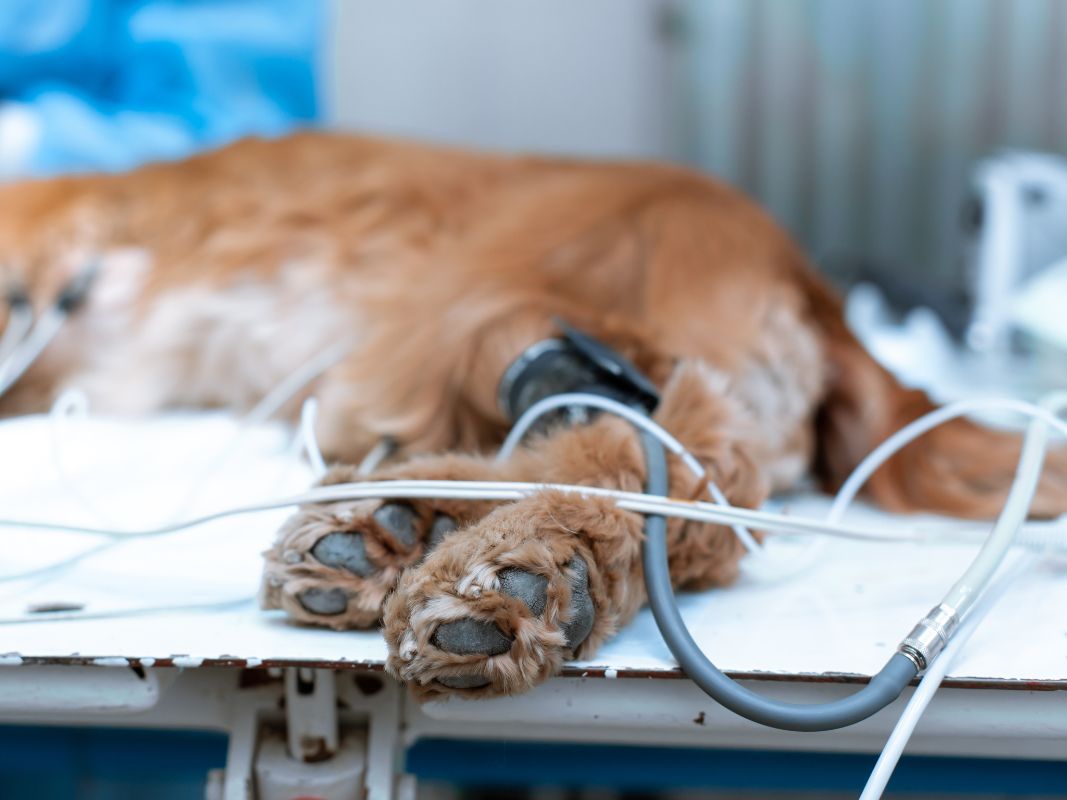
While you always wish for your pets to have healthy and happy lives, sometimes it becomes necessary to intervene medically. Various conditions may call for surgical procedures, ranging from those that are routine and preventative to others that are more complex and critical.
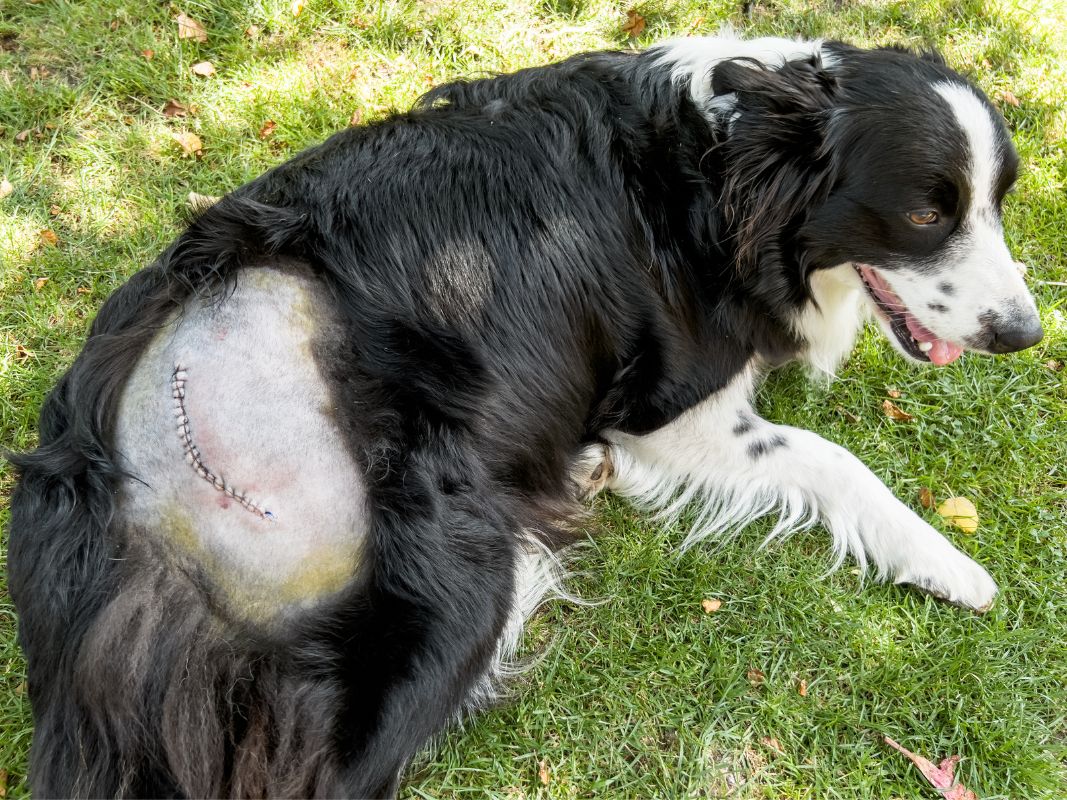
Innovations in veterinary medicine constantly enhance the quality of life for pets. One ground-breaking invention is the dog hip brace, a non-surgical solution to combat hip-related problems in canines. Learning these things to know about dog hip braces will help you as a pet owner understand their benefits so you can determine if they are right for your dog. 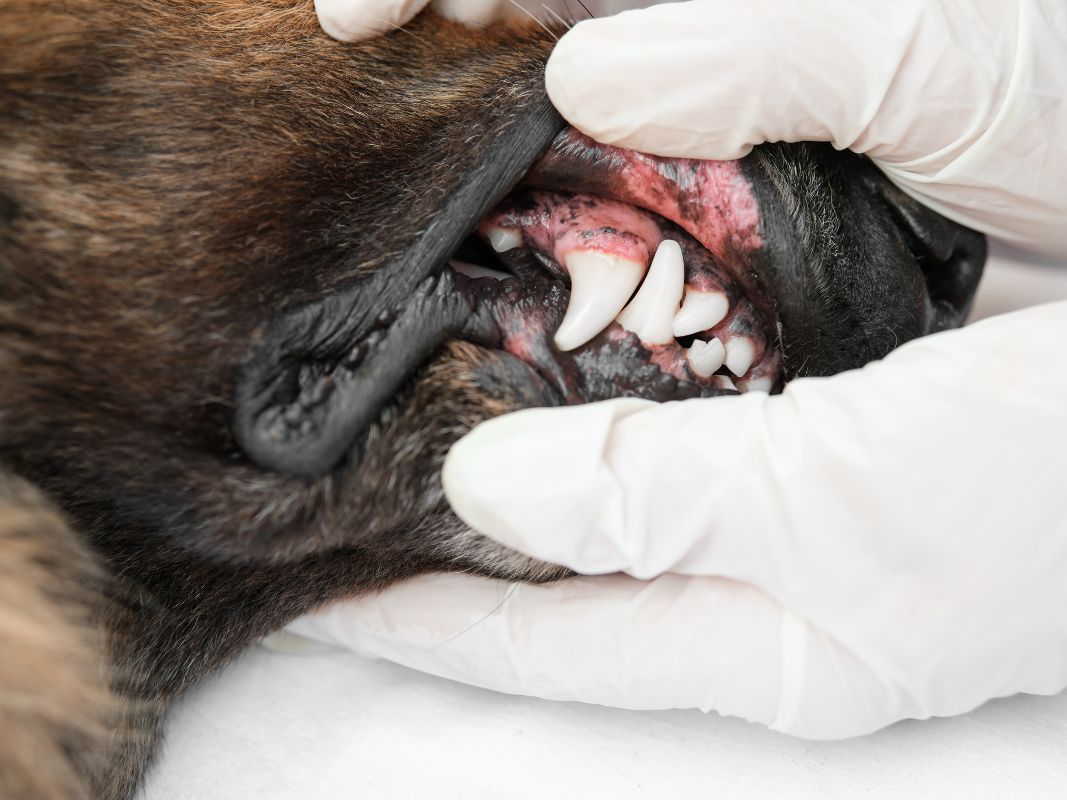
As a dog owner, you might often enjoy your furry friend’s affectionate kisses, but sometimes, it might not be as pleasant as you would like. Your dog’s breath can create an uncomfortable situation when it takes a turn for the worse. Here’s a look at five common reasons your dog has bad breath and some practical tips to remedy the situation.
|
AuthorAntelope Valley Medical Center Team archives
June 2024
Categories |
 RSS Feed